
PBMC Banking

Peripheral Blood Mononuclear Cell Banking

Peripheral blood mononuclear cells (PBMCs) are a group of immune cells found in the bloodstream. They help protect the body and are widely studied to better understand immune responses, disease and potential cell-based therapies.

What Is peripheral blood mononuclear cell banking?

A source of your own cells for Immunotherapy Options

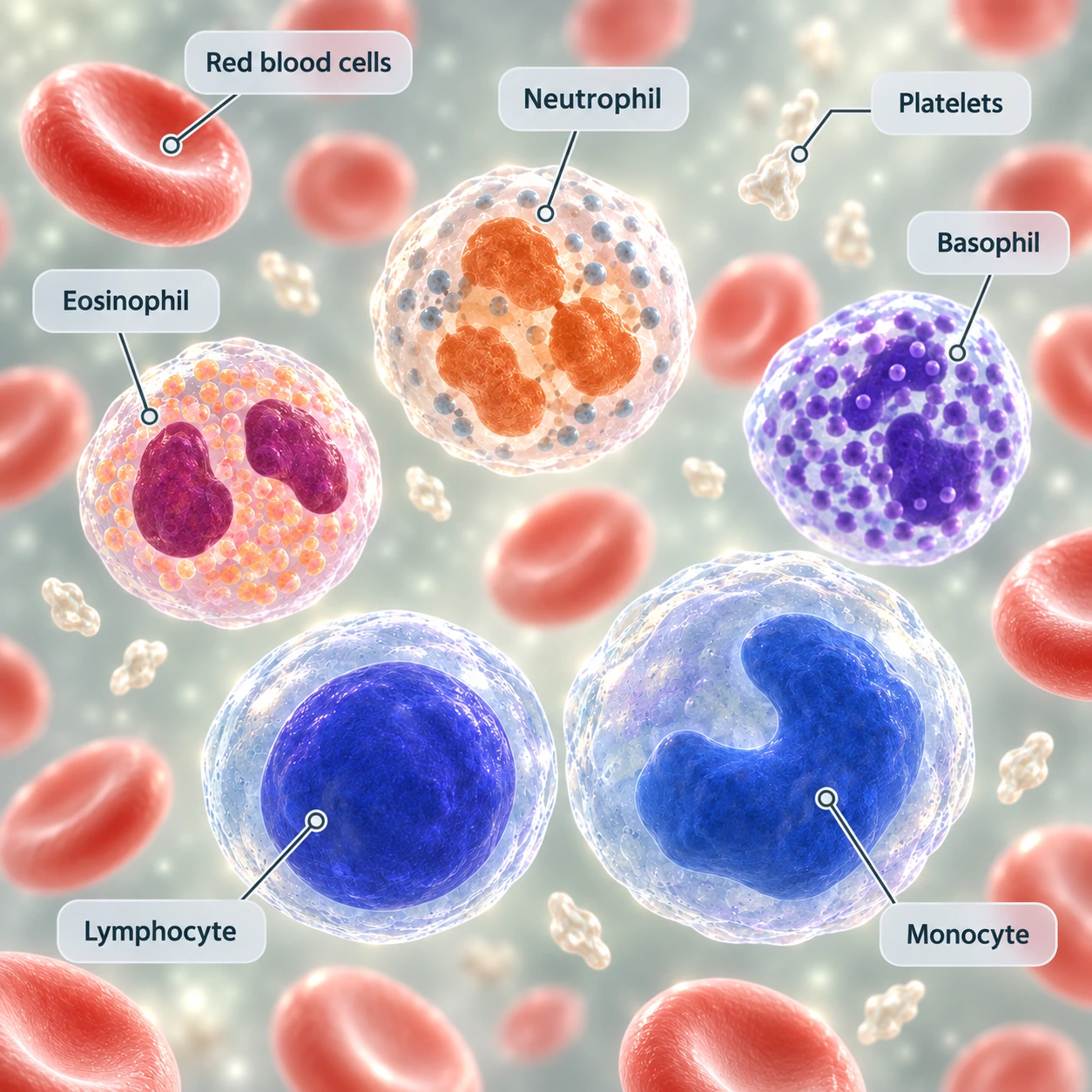
Blood contains red blood cells, platelets and several types of white blood cells. PBMCs are white blood cells with a single, non-lobed nucleus. They circulate through the bloodstream and contribute to immune defence, inflammation and immune regulation. PBMCs include several cell types with different roles:

T Cells

Help recognise and respond to infected or abnormal cells

B cells

Help develop into cells that produce antibodies.

Natural killer (NK) cells

Help identify and destroy certain infected or abnormal cells

Monocytes

Support immune responses and can develop into macrophages or certain dendritic cells.

Dendritic cells

Help activate and coordinate immune responses

Why consider PBMC banking?

4 Major Benefits

PBMC banking preserves a personal biological sample that may serve as starting material for future cell-based applications. As technologies develop, its potential use will depend on the quality of the stored cells, available laboratory and clinical capabilities, and applicable regulatory requirements.

A sample of your own cells

PBMC banking preserves immune cells collected from your peripheral blood and stores them under cryogenic conditions

A source of T cells

PBMCs contain T lymphocytes, which play an important role in defending the body against infections and abnormal cells

Relevant to immune-cell research

PBMCs are widely used in immunotherapy, cancer research and the development of personalised cell technologies. By preserving your PBMCs, you retain a personalised source of immune cells that could potentially support the development of future immune-based cellular therapies as medical technologies continue to advance

A possible starting material for iPSCs

PBMCs represent a promising source of cells for the generation of induced pluripotent stem cells (iPSCs). As iPSC technology continues to progress globally, researchers and clinicians are exploring its potential across regenerative medicine, disease modelling, drug development, and advanced cell therapies. Preserving PBMCs today may therefore provide an opportunity to retain a personalized biological starting material for future iPSC-based applications as scientific and clinical technologies evolve

How does the collection works?

PBMC Banking Process

The existing process requires 2 visits, followed by laboratory isolation and cryopreservation.

Enquire Now

Step 1

Consultation and Blood Testing

Your first visit includes an initial consultation and blood testing to assess whether collection can proceed.

gmp9
Step 2
Peripheral Blood Collection

During the second visit, about 150-200 mL blood is collected from a vein by a qualified healthcare professional.

gmp10
Step 3
PBMC isolation

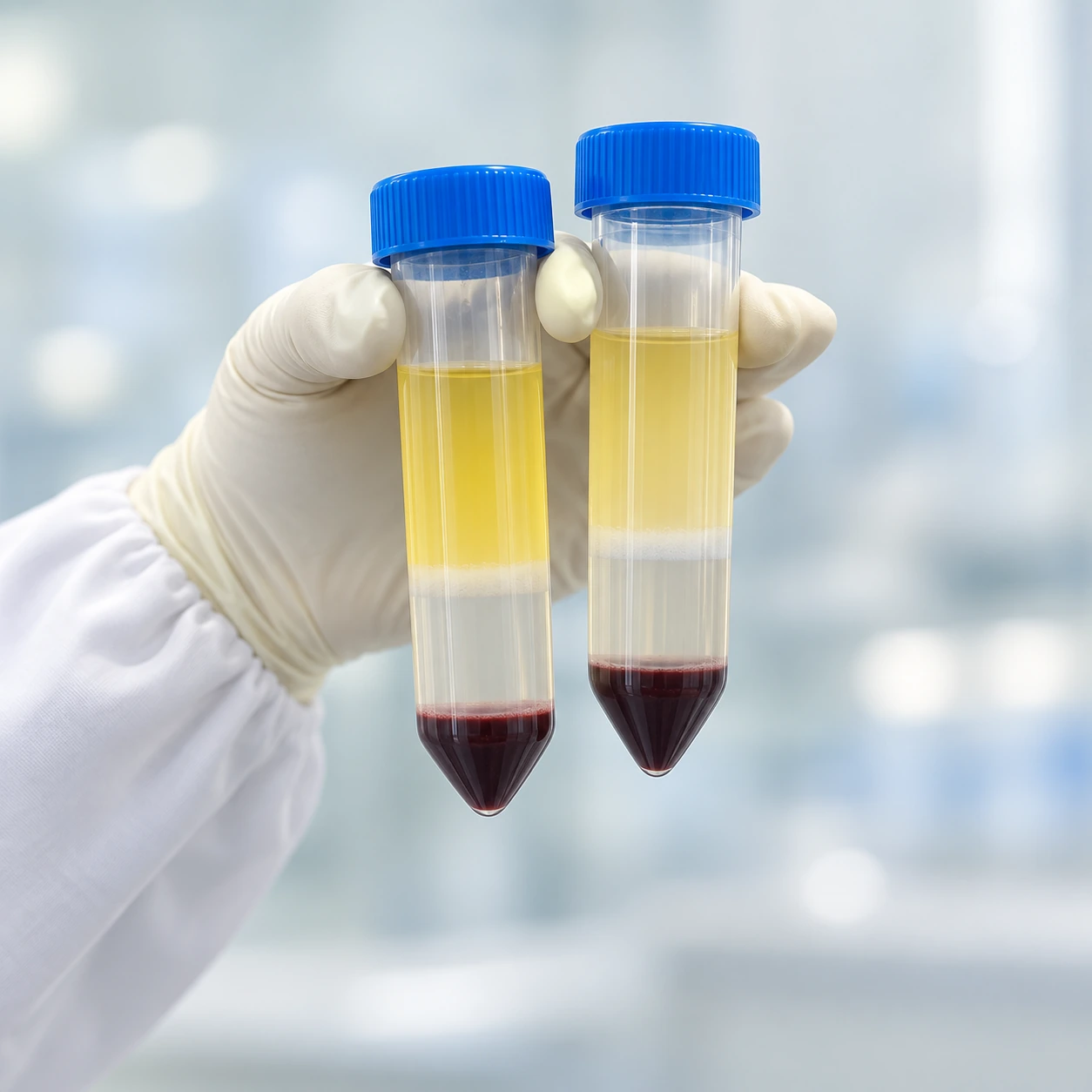
The blood sample is processed in the laboratory to separate the PBMC layer from red blood cells, granulocytes and plasma.

gmp11
Step 4
Cryopreservation and Confirmation

The isolated PBMCs will undergo quality control checks and are prepared for cryogenic storage. You will be kept informed at every stage, and once processing and storage are completed, you will receive confirmation that your sample has been stored, along with your sample report.

gmp7

Cryogenic Storage for Long-Term Preservation

Controlled-rate freezing

Following isolation, PBMCs are prepared and subjected to controlled-rate freezing, with the temperature gradually reduced from 4°C to approximately −180°C. The cells are then transferred to cryogenic storage in liquid nitrogen at approximately −196°C to support long-term preservation. 

A Potential Starting Material for iPSCs

CytoMed researches technologies

PBMCs can be used as starting material to generate induced pluripotent stem cells. iPSCs are created by reprogramming adult cells into a pluripotent state. Under appropriate laboratory conditions, they may then be developed into different specialised cell types for research and potential future medical applications.

Frequently Asked questions

You might want to ask

Reach us for banking enquiries, sample retrieval, or inherited custody transfers.

Is the collection of blood samples painful or risky?

Blood sample collections carry the same minimal risk and invasiveness as a typical blood draw. It is a simple procedure with minimal discomfort.

You may check with our team on viable payment options or refer to the Pricing Page

PBMCs are immune cells found in peripheral blood. They include T cells, B cells, natural killer cells and monocytes.

Blood is drawn from a vein by a qualified healthcare professional. The sample is then processed in the laboratory to isolate the PBMC layer.

No. PBMC banking stores a sample of immune cells. CAR T-cell therapy is a regulated medical treatment involving cell collection, genetic modification, manufacturing and administration to an eligible patient.